
Oct. 21st, 2026
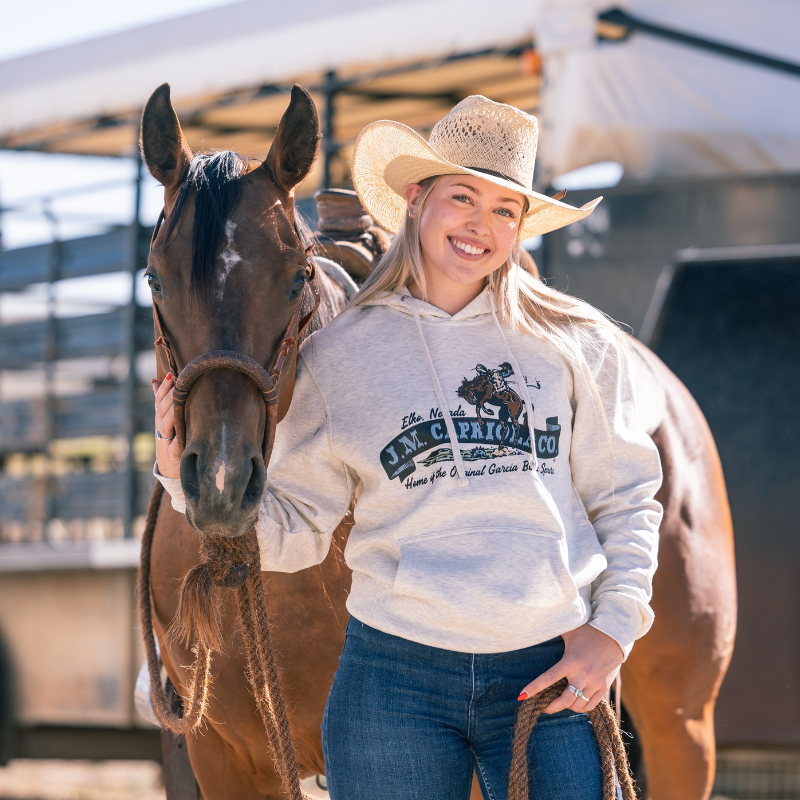
It’s nearly Halloween, and the cowboy hats are coming out — not just for trick-or-treating, but for a trend that’s been building for a few years now. Western wear is everywhere. Ranch aesthetics show up on runways and reality shows. A whole generation discovered “cowboy” through a hit TV drama and decided they wanted in.
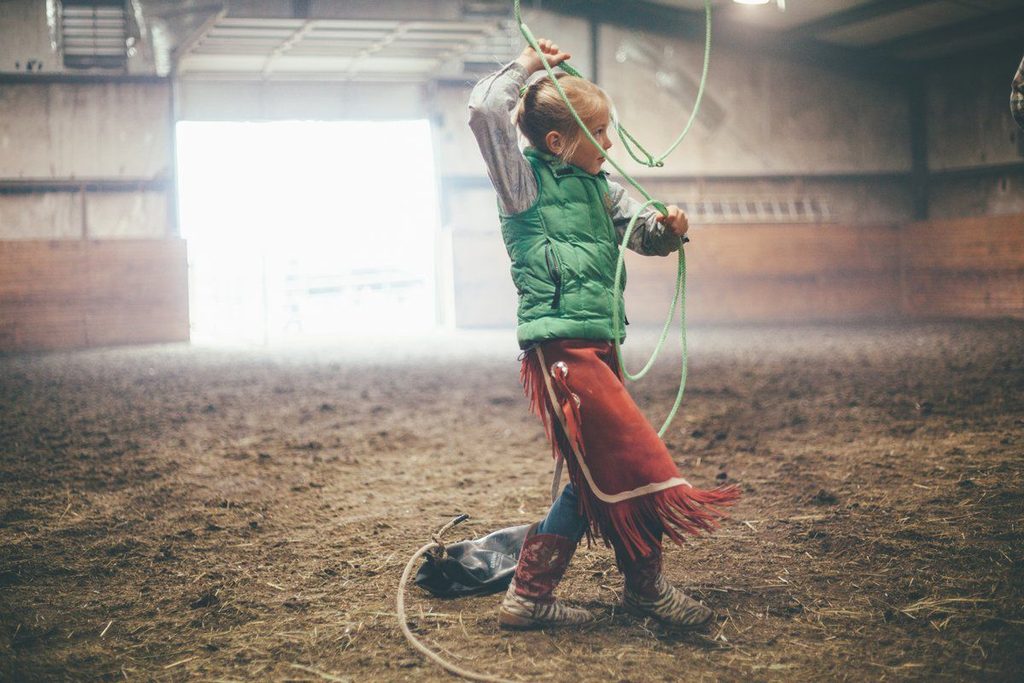
There are upsides to that. More people are curious about this way of life than have been in decades. More people are asking questions, buying boots that actually get worn, showing up to rodeos who never would have before.
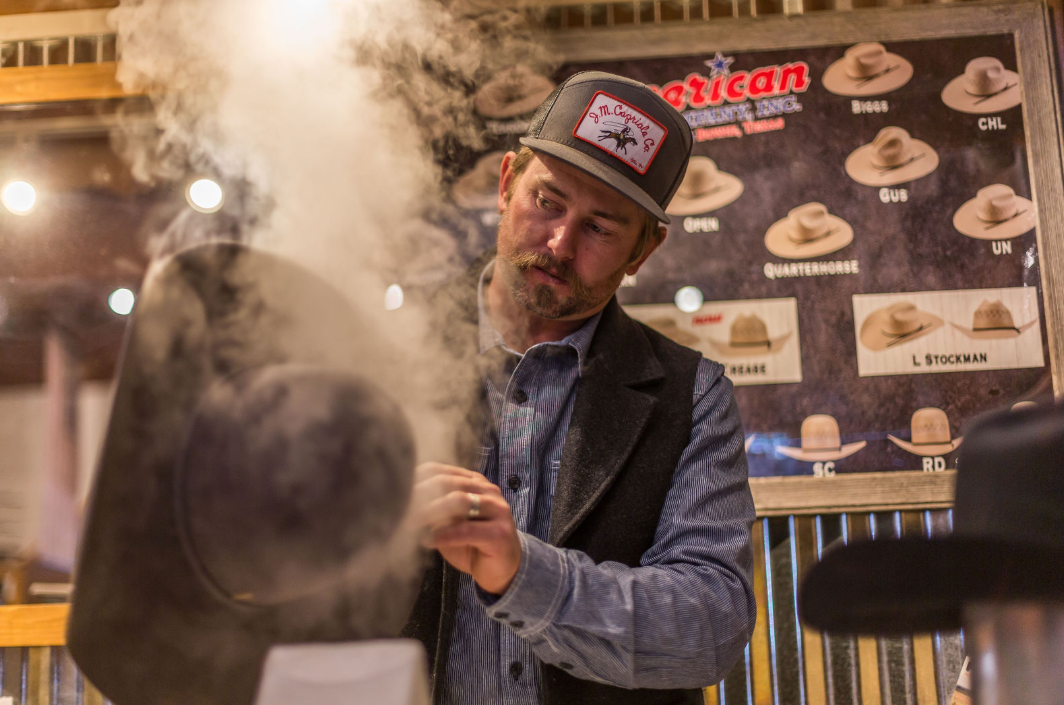
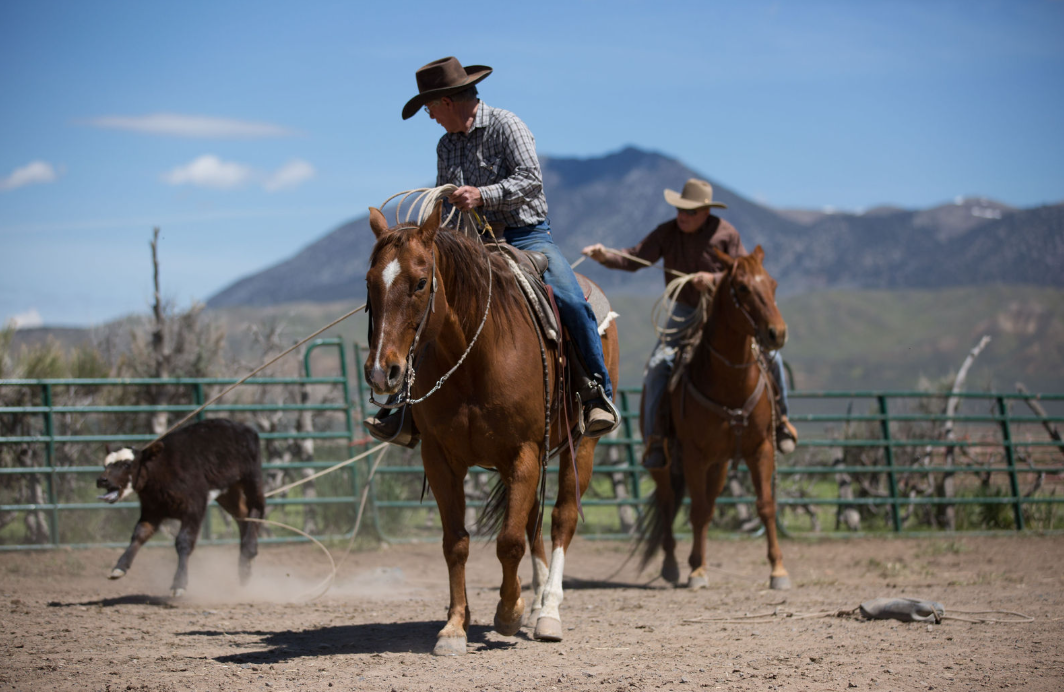
There are downsides, too. A lot of what’s popular is the look without the labor — the hat without the hours in the saddle, the aesthetic without the livestock, the weather, the debt, the 4 a.m. alarm. Some of what gets sold as “cowboy” on screen has very little to do with what it actually takes to run a ranch.
But instead of just picking a side, we’d rather use the moment. If cowboy culture is still having its time in the spotlight, that’s a chance to actually teach people something true about it — not just let the trend speak for itself.
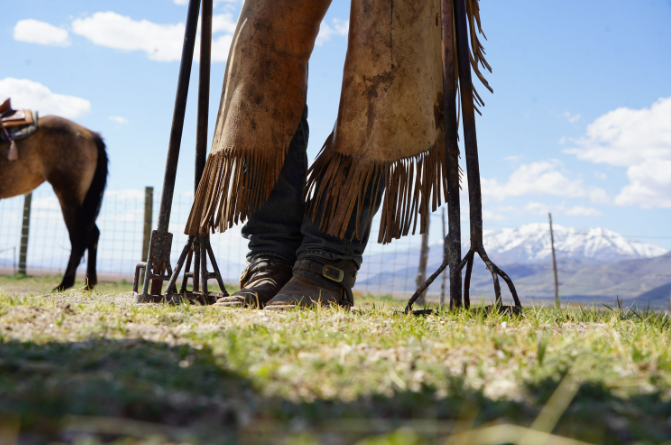
That’s exactly what the Cowboy Arts & Gear Museum is doing with its new Ranching Heritage series — a documentary project supported by a Travel Nevada Special Projects grant and museum donors, built to document real, working, family-owned ranches across the Great Basin.
Not actors. Not sets. The first ranches featured include the Wines, the Blossoms of Owyhee, the Van Normans, the Gallaghers, and the Tomera Ranch — families who have been here, some for generations, keeping this way of life going whether or not anyone outside Nevada was paying attention.
The trend will move on to something else eventually. These ranches will still be here. The Ranching Heritage series is CAGM’s way of making sure that when people come looking for “the real thing,” there’s something real and specific waiting for them — not just a costume rack.