Functional, traditional, and yes — it looks good too.
May 26, 2026
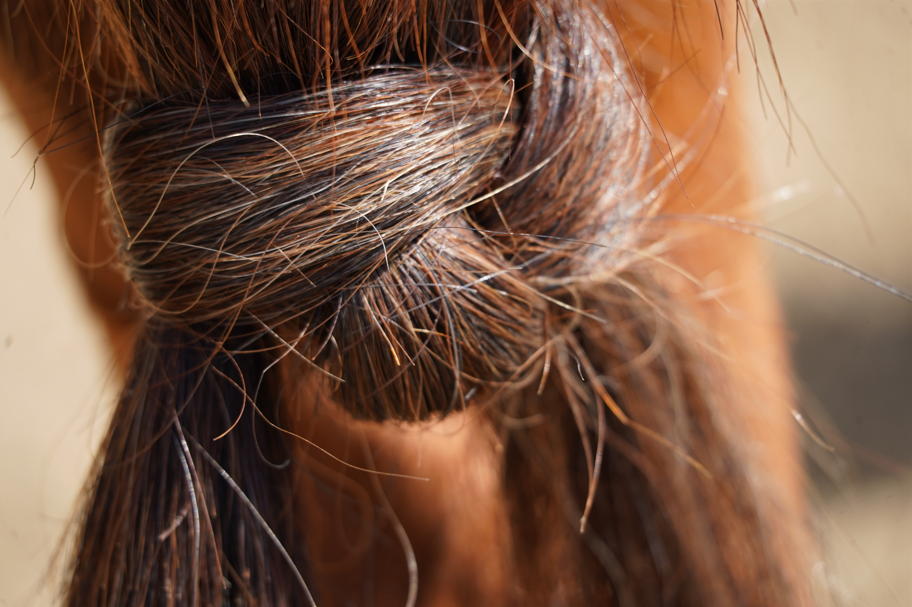
Before you ever swing a leg over, there’s one thing you should do for your horse. It takes less than a minute and it’s been done every morning since before your granddad was born — tie the knot.
A tail knot is one of the oldest tricks in the horseman’s toolbox, and for good reason. In brush, a loose tail catches on everything — branches, wire, your own rope if you’re not careful. A properly tied tail knot — tucked and wrapped back through itself — keeps the hair clean, out of the swing of your loop, and off the ground when you’re working in mud or creek crossings.
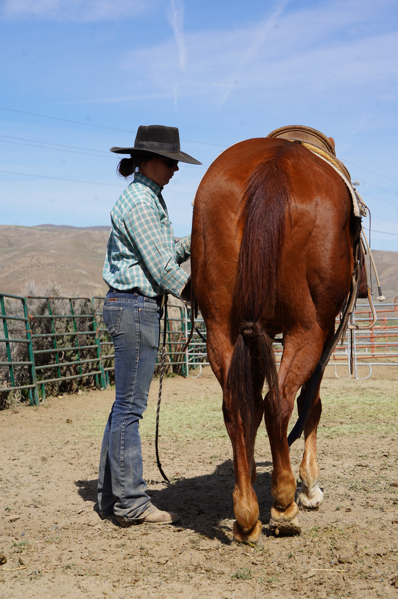
Originally called the “war knot”, tail knots were used by vaqueros, who learned their skills from Spanish conquistadors, to keep tails clean and snag free while working or fighting. A little style was added over the years with the mustache, Spanish cross, Spanish ring, and rooster tail knots. It is not surprising that such a simple solution became such a widely used practice.
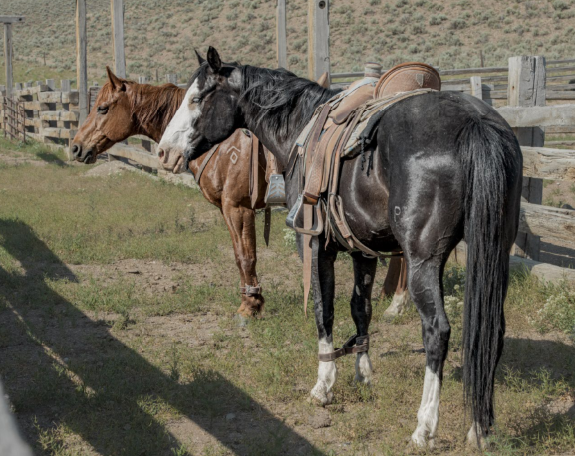
Make sure to pack your hobbles while you’re at it.
The Knots Worth Knowing
The Mustache Knot is the workhorse of the bunch and perhaps one of the most commonly tied. It works best on a long-tailed horse. Split the tail in half, twist each half a few times, tie an overhand knot with the two halves, bring one half around the back and up through the knot, and pull it tight.
It is said that it’s bad luck to tie the war knot after you’ve already saddled your horse, so make it the first thing you do in the morning — before the blanket, before the saddle, before anything else. Once it’s tied, pour a little water or coffee over it to help it hold.
The Spanish Cross is a variation on the mustache, and the name tells you where it came from. The conquistadors came from a devoutly Catholic culture, and the knot reflects it — the mustache knot is tied over the top of a third middle section, which naturally forms the upright of a cross when pulled tight. It’s a nod to heritage as much as function, and it carries that weight quietly.
The Spanish Ring Knot is the one for shorter-tailed horses. Sort off a small section on one side, wrap it around the full tail just below the tail bone a few times, and tuck the end through the wraps. Simple, clean, and it holds all day.
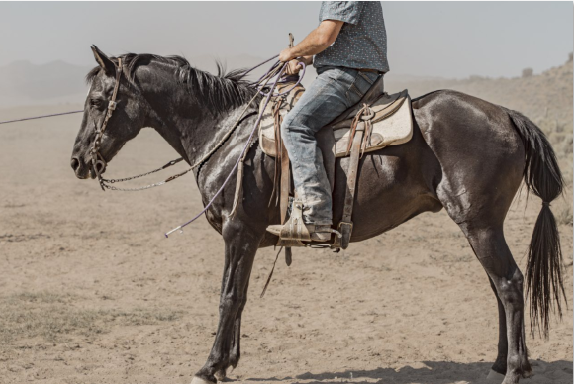
The Figure Eight and Rooster Tail are variations on the same movement. Bring the bottom of the tail up and around your hand to form a loop, then bring the tail back down through it. For the rooster tail, leave the end sticking up through the loop instead of pulling it all the way through. Both work well on short or long tails and are fast when you’ve got ground to cover.
One rule across every single one of these: untie the knot before you turn your horse out at night. Leave it tied and you risk the tail catching on a post, or worse — coming in the next morning to a matted witch’s knot that’ll take twenty minutes and a prayer to work out.
A good war knot is the start of setting your horse up right for the day. The rest is on you and your gear — and Capriola’s has what you need for both.